Professor Kittipan Rerkasem
Leg Vein Clinic Thailand
Many people think of varicose veins as merely a cosmetic problem—bulging green veins or clusters of red spider veins on the legs. Some say, “It’s just ugly,” or “I can just wear long pants.” But the truth is that varicose veins can progress into serious medical problems if ignored.
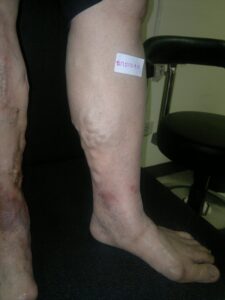
As a vascular surgeon, I frequently see patients who initially believed the issue was only cosmetic but later developed chronic symptoms or complications.
The Emotional Burden Is Real
Although varicose veins are not life‑threatening, the psychological impact should not be dismissed. Many patients change their entire wardrobe, avoiding shorts or skirts due to embarrassment.
Common concerns include:
- Being told their veins look like “snakes under the skin”
- Visible spider veins covering the legs
- Loss of confidence in daily life
Modern treatments—sclerotherapy and laser—are simple, minimally invasive, and require no hospitalization.
Varicose Veins Are Not Only About Appearance
They can lead to significant medical complications:
- Skin Discoloration
Chronic venous congestion causes red blood cells to leak, depositing iron pigment and turning the skin brown—often mistaken for dirt or freckles.
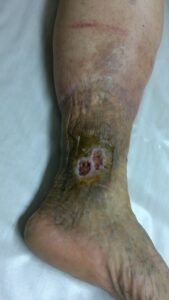
- Chronic Venous Ulcers
Caused by prolonged inflammation and poor oxygen supply, especially at the inner ankle. These ulcers heal slowly and may persist for months or years.
- Vein Rupture and Sudden Bleeding
Fragile varicose veins can burst from scratching, trauma, or straining. Bleeding may be forceful and dangerous.
- Thrombophlebitis (Clotting in Varicose Veins)
Slow circulation leads to inflammation and clot formation. Symptoms include redness, heat, swelling, and pain. Clots may spread to deeper veins and travel to the lungs.
Why You Should Not Ignore Varicose Veins
- Early treatment gives better results
- Prevents complications such as ulcers or ruptured veins
- Lower cost than treating advanced disease
- Easier treatment when veins are not severely enlarged
Current Treatment Options
- Sclerotherapy
For small veins and spider veins. The solution causes the vein walls to stick together and fade.
- Endovenous Laser or Radiofrequency Ablation
For medium to large veins. Heat closes the abnormal vein. Minimal pain and fast recovery.
- Medical Adhesive (Glue / VenaSeal)
Closes the vein without heat. Minimal discomfort. Often no need for compression stockings afterward.
Frequently Asked Questions (FAQ)
What causes varicose veins?
Valve failure in the veins causing backward flow. Risk factors: genetics, prolonged standing, pregnancy, obesity, age.
Are varicose veins dangerous?
Not immediately, but can lead to skin changes, ulcers, bleeding, or blood clots.
Do I need surgery?
Usually no. Modern treatments like sclerotherapy, laser, and RFA are minimally invasive.
Will they come back after treatment?
Possibly. Genetics and lifestyle play a role. Regular follow‑up is important.
Do I need compression stockings?
Depends on severity. They help reduce swelling and slow disease progression.
Time to Stop Hiding Your Legs
Varicose veins—big or small—should not be ignored. Early evaluation and treatment provide the best results and long‑term safety.